Open calm and wide. This is a talk about change, and about staying on the front foot of it. Set the three parts, then begin.
Signpost the arc. Part one, work is changing. Part two, the consequences nobody plans for. Part three, what to do about it.
Set the long lens. Technology has always changed work. This is history repeating, not a one off.
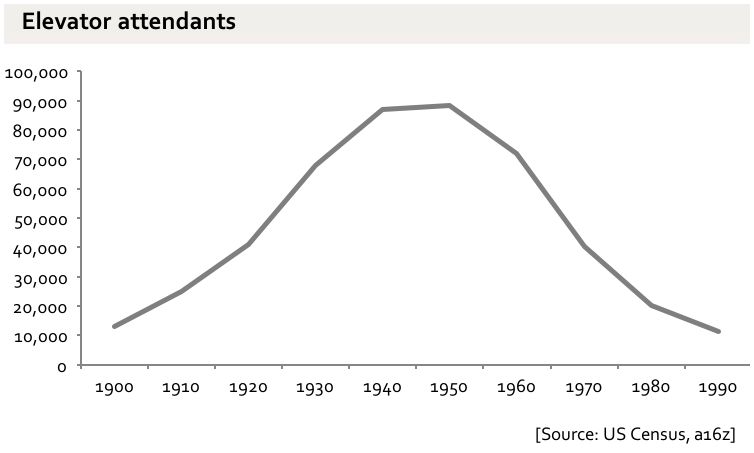
The elevator operator. They had a skilled job. They did not push buttons, they had a throttle and a brake. They drove the lift. A single button erased the trade.
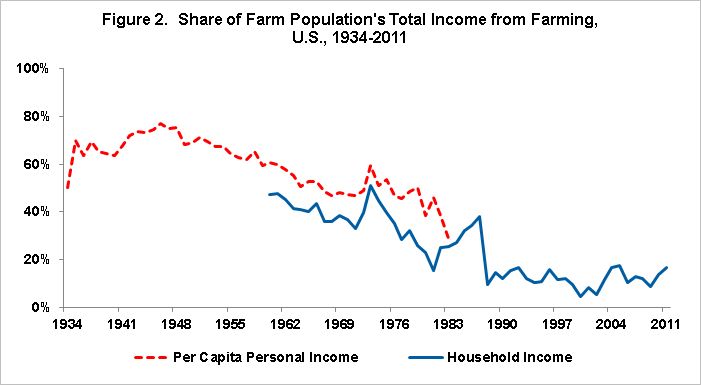
The long view on farming. In 1790, 90% of Americans farmed. Today about 2% do. The work did not vanish, it moved.
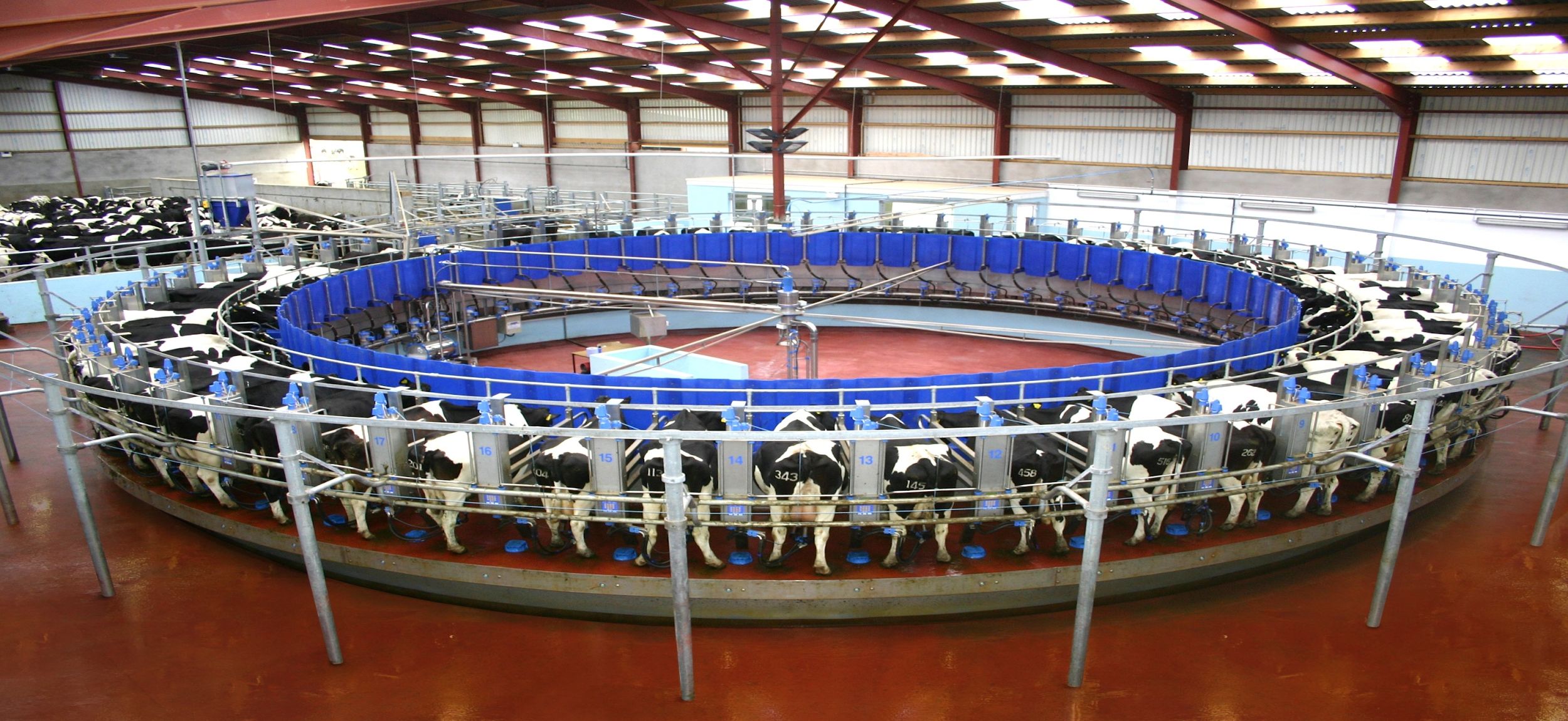
Efficiency gains that retired farm jobs. One example of automation reshaping a whole trade.
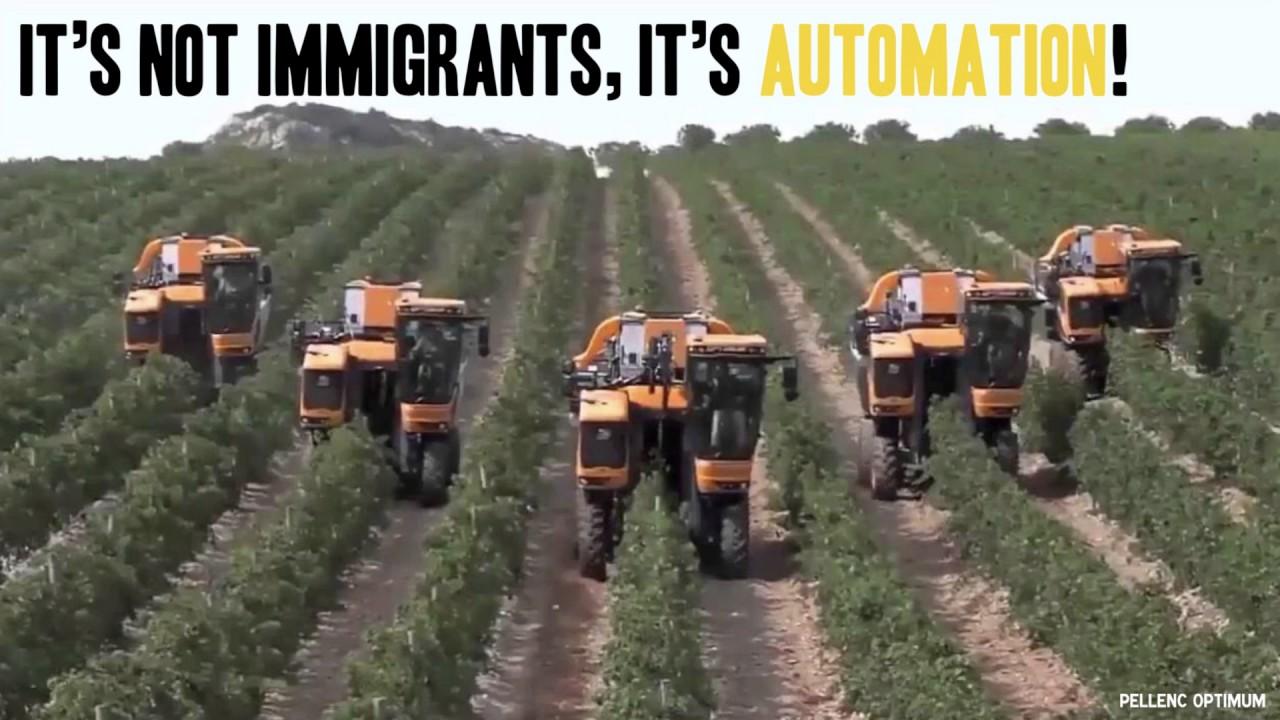
Current automation, near horizon autonomy. The machines are already in the field.
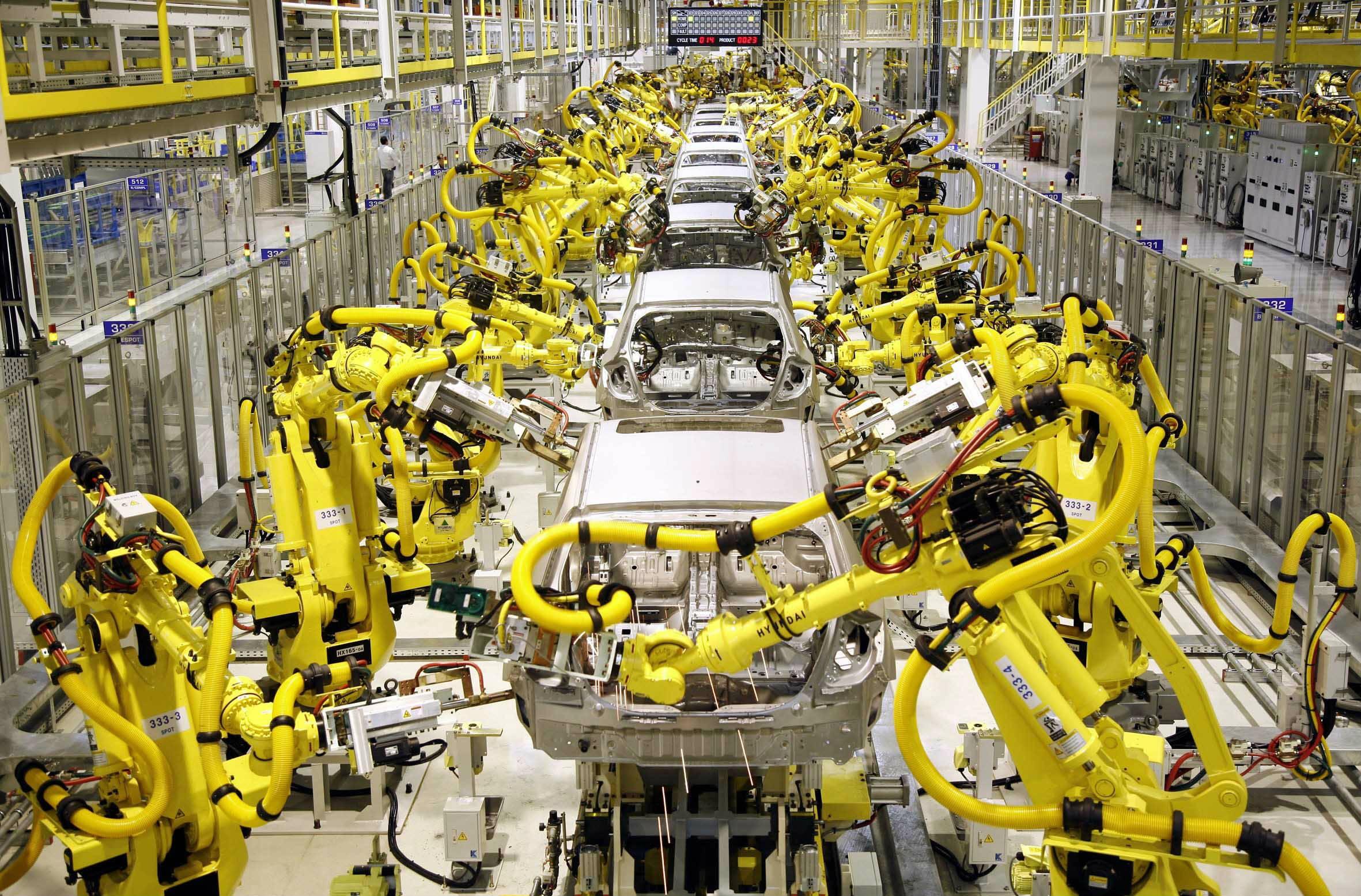
Name the real cause. It was never the immigrants, it was the machines. Automation started with blue collar work and is climbing the ladder.
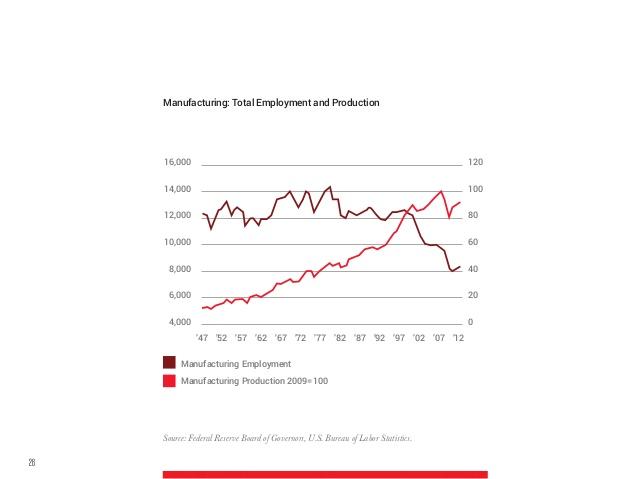
Why is this happening? Our on demand world runs on it. Cheap goods everywhere, or handmade and local. You rarely get both.
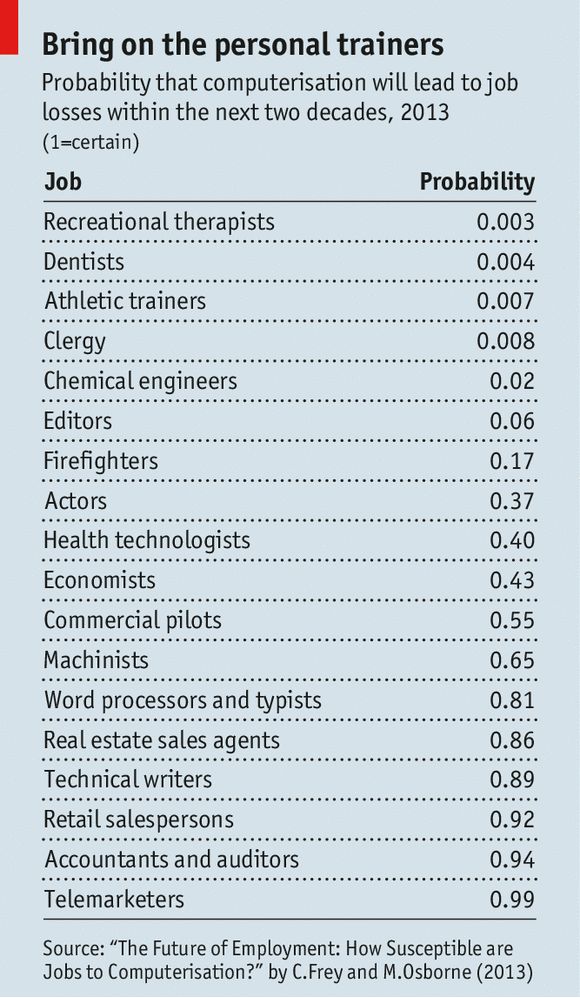
The firing line. A look at the not so distant future. Which professions does software come for next? Note where accountants and auditors sit on this list.
The other half of the story. Only technology can replace what technology retires.
Follow the people. The 88% who left the farm are not idle. They are doing work that did not exist. Work is shifting, not ending.
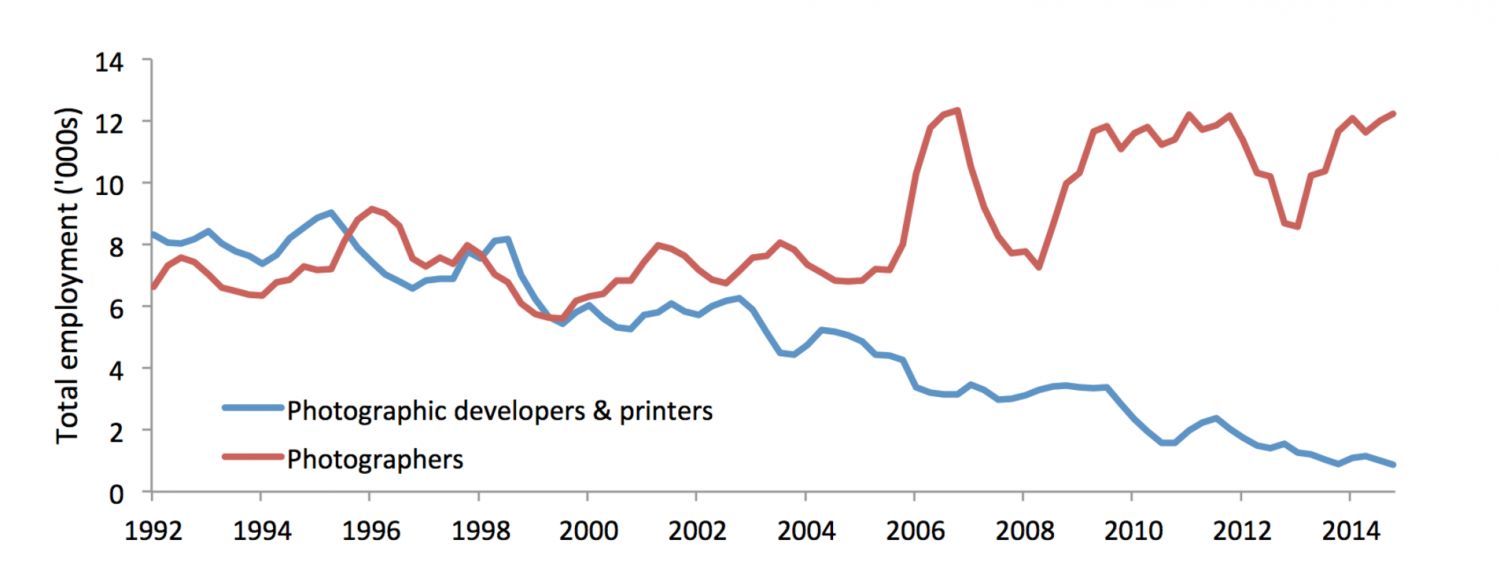
Creation needs destruction first. Digital cameras ended one industry and put a studio in every pocket. More people create than ever.
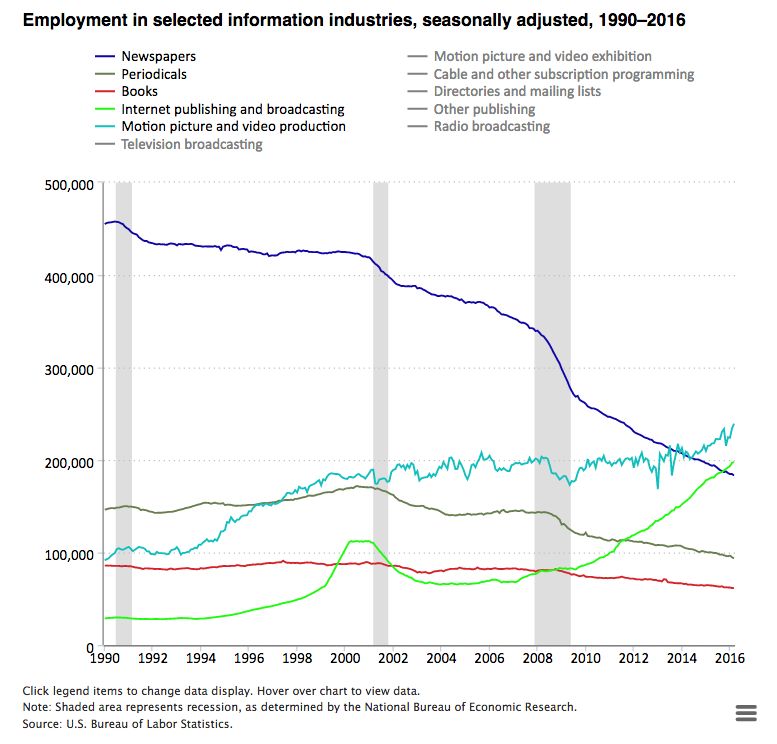
The internet as a tool for creation. Publishing is commoditised and democratised. Anyone can make, anyone can publish, with no gatekeeper in the middle.
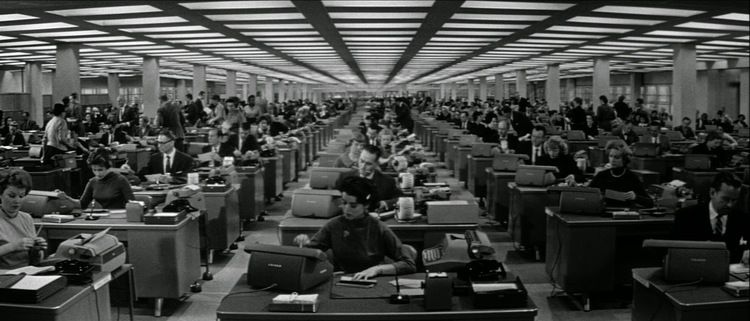
Closer to home. A room like this was once rows of clerks. Software replaced them all.
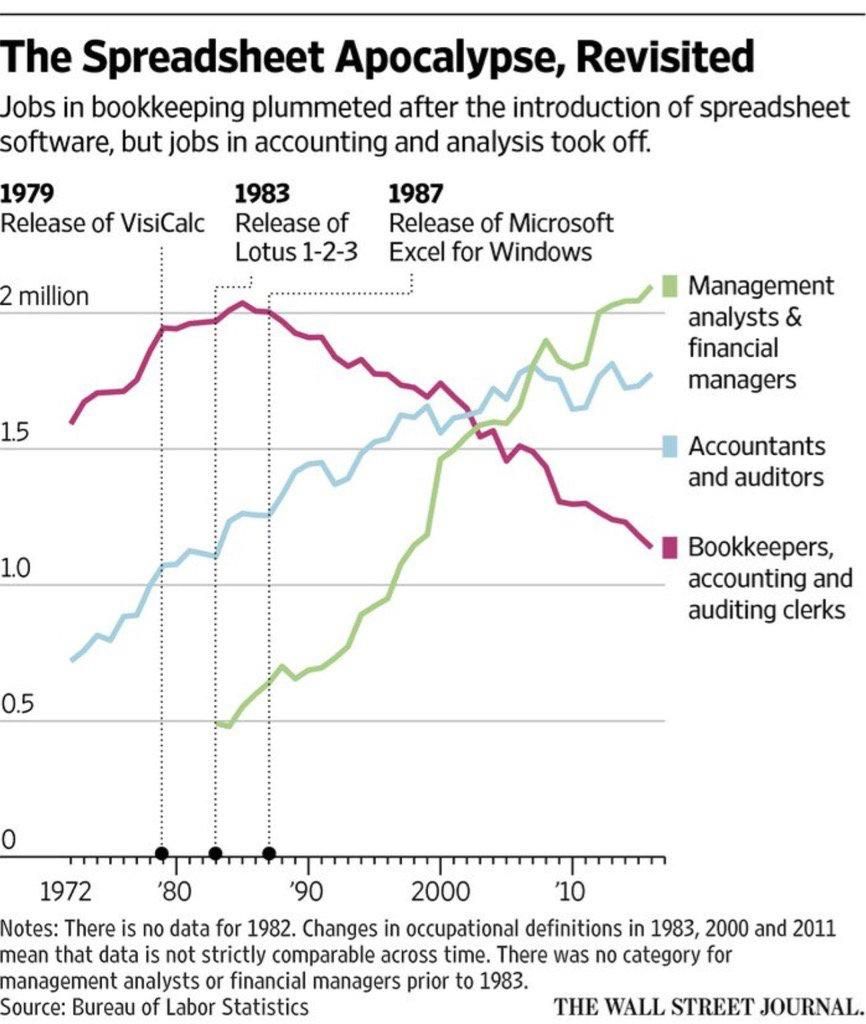
Destruction and creation together. The spreadsheet wiped out bookkeeping and grew accounting and analysis. White collar is no exception.
The current reality. We are still creating more jobs than we destroy, for now.
The honest question. Leave it open. This is the pivot into the fourth revolution.
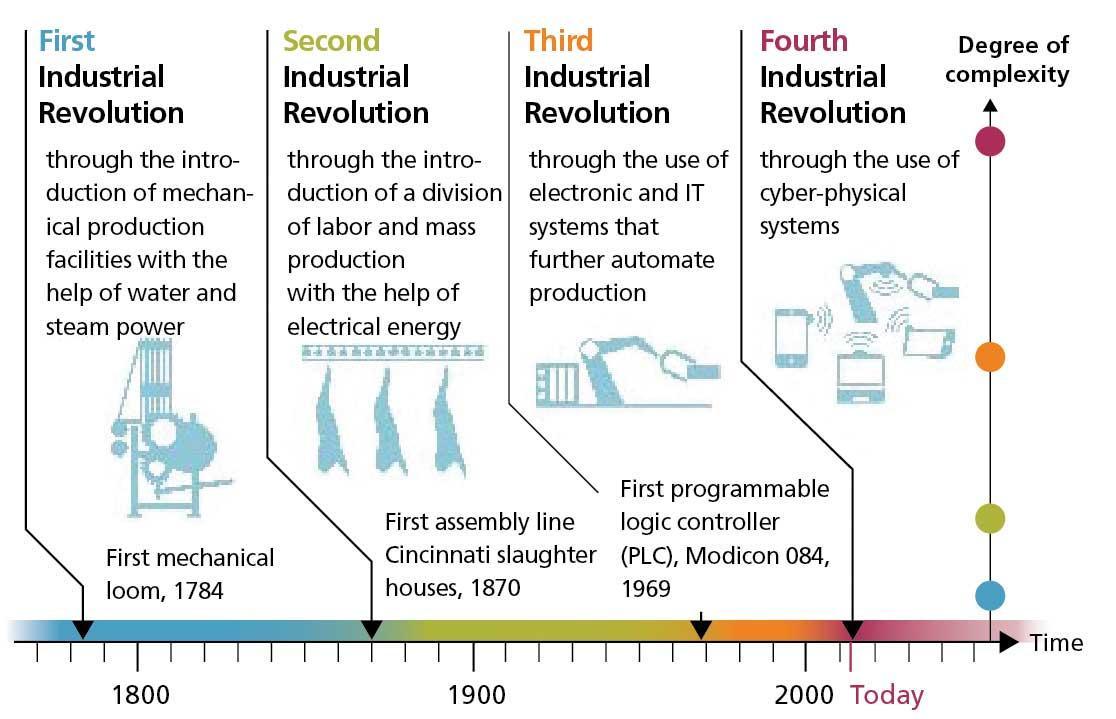
The next wave. Simple roles are made redundant, complex ones created in smaller numbers. There is hope, and we return to the ultimate future of work at the end.
How to stand. Change arrives with or without you. Better to capitalise on it than be a victim of it.
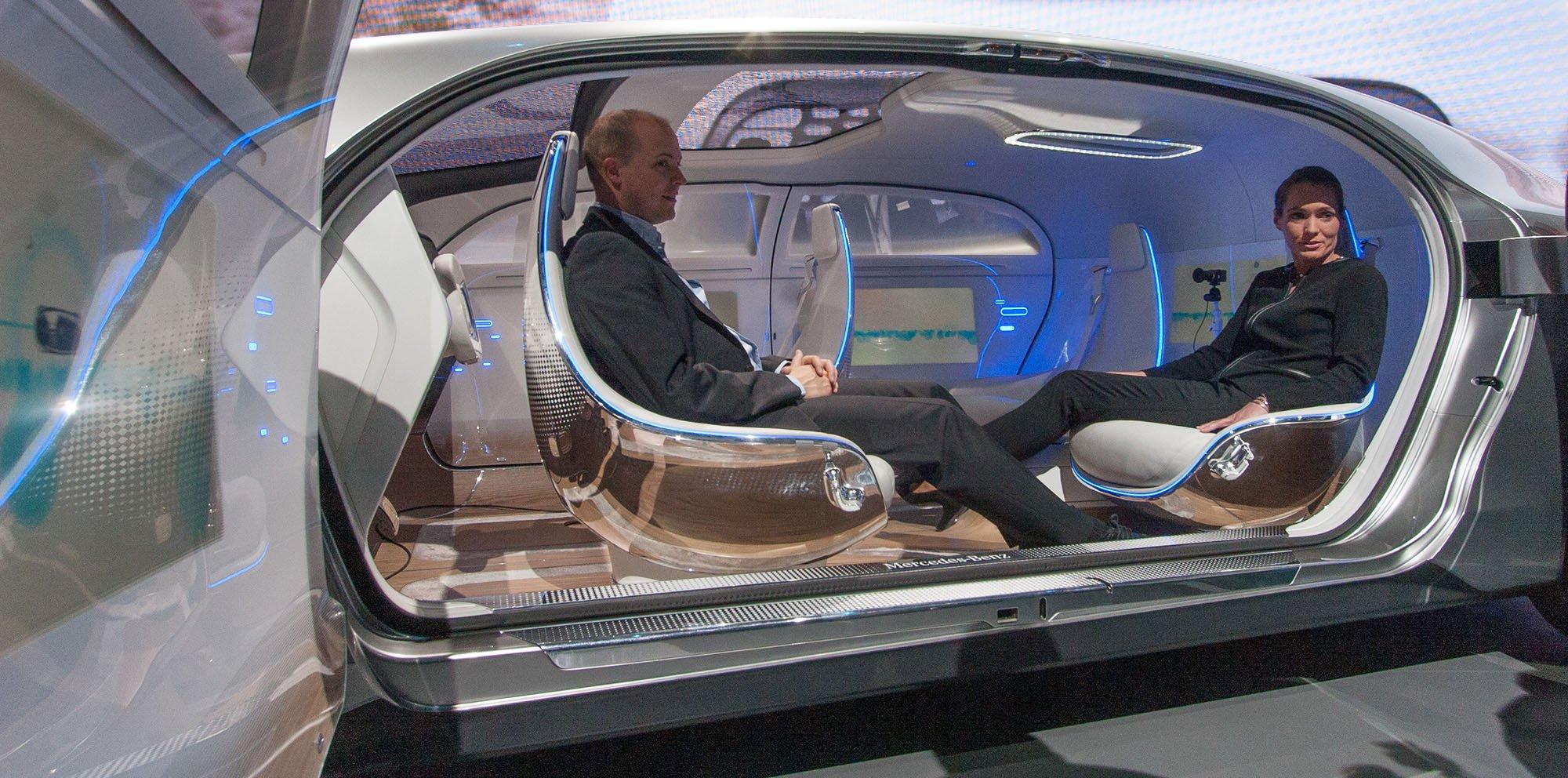
Autonomous vehicles as a lens. The obvious consequences hold both detriments and opportunities. The real opportunities hide in the less obvious ones.
Cars that stop crashing. Rattle off who feels it when crashes and fatalities fall.
Fewer cars owned. Go through what shifts when the car becomes a service.
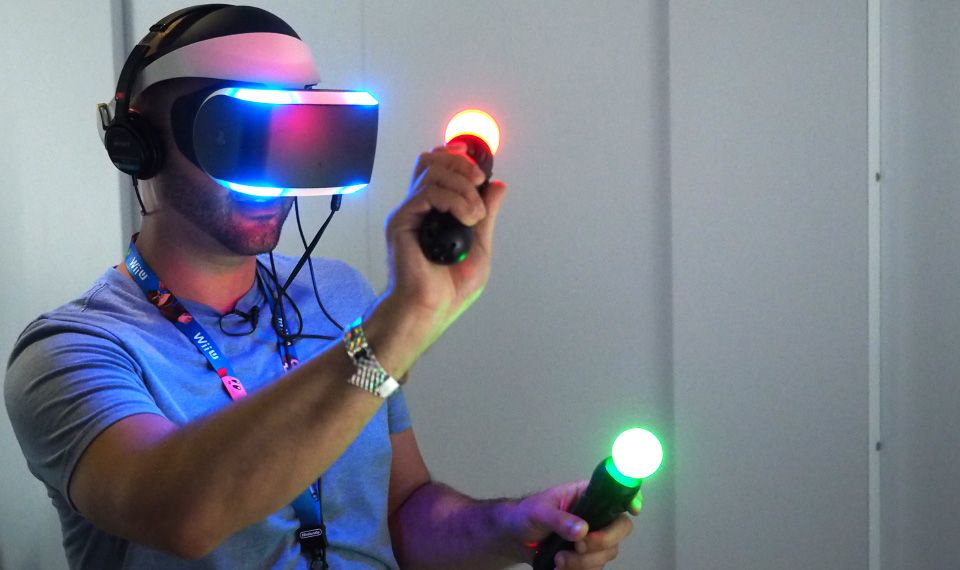
Virtual reality as a lens. Gaming is the obvious use case. There is much more underneath.
Go through the applications. Where a simulated world reaches beyond games.

BLOCKCHAIN
Blockchain as a lens. The obvious use case is money. There is much more underneath.
Go through the applications. Where distributed trust reaches beyond currency.
The deeper pattern. Fire, the wheel, the internet. Each reset how society organises itself. They change behaviour, but only if we let them. Aim for more benefit than cost. With Facebook you trade some privacy for connection.
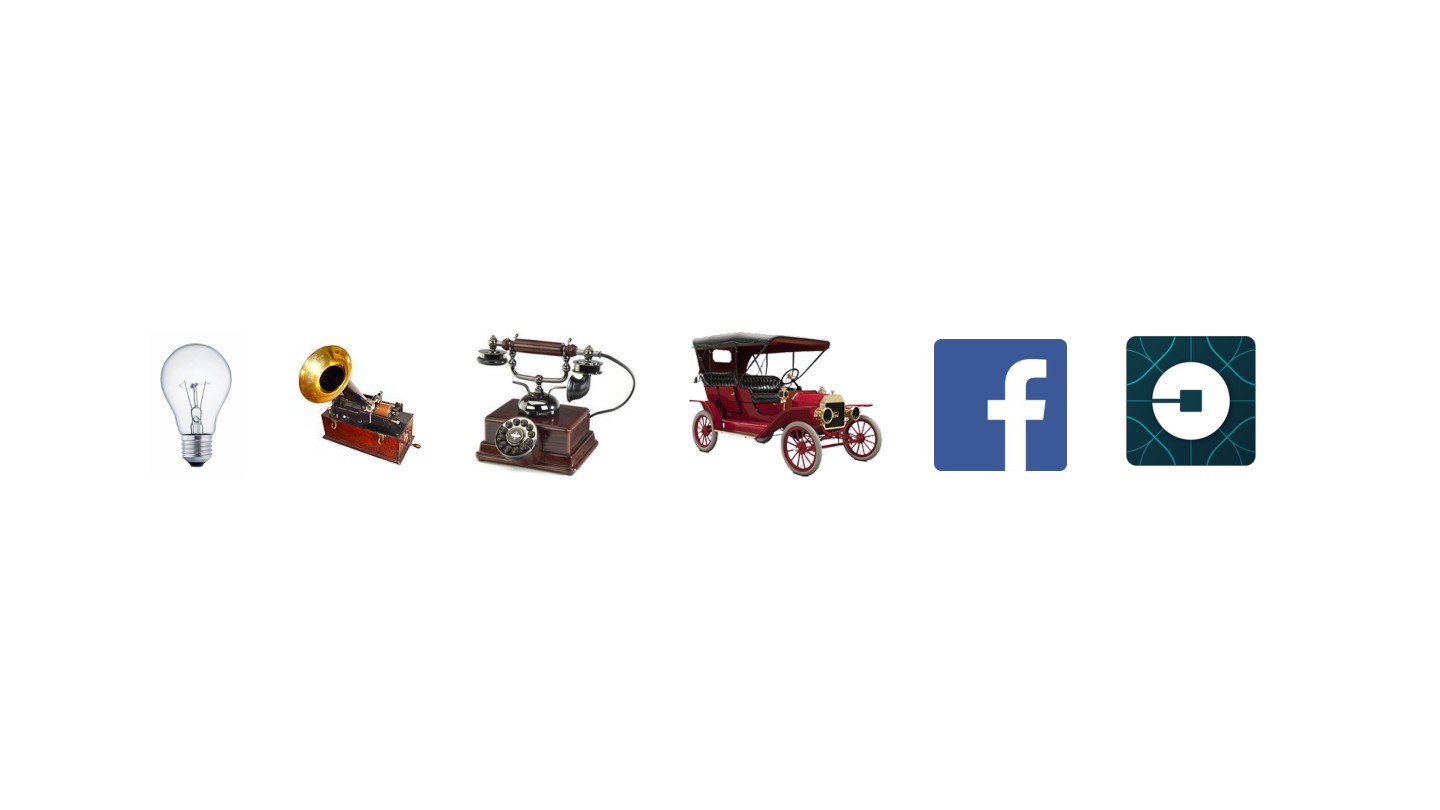
Expected uses versus real ones. Every breakthrough changes behaviour, and its real use cases are rarely seen at the start. Net gains, more benefit than cost each time.
Do not buy the fear cycle. The 24/7 news cycle sells alarm. The world is not falling apart. The opposite is true.
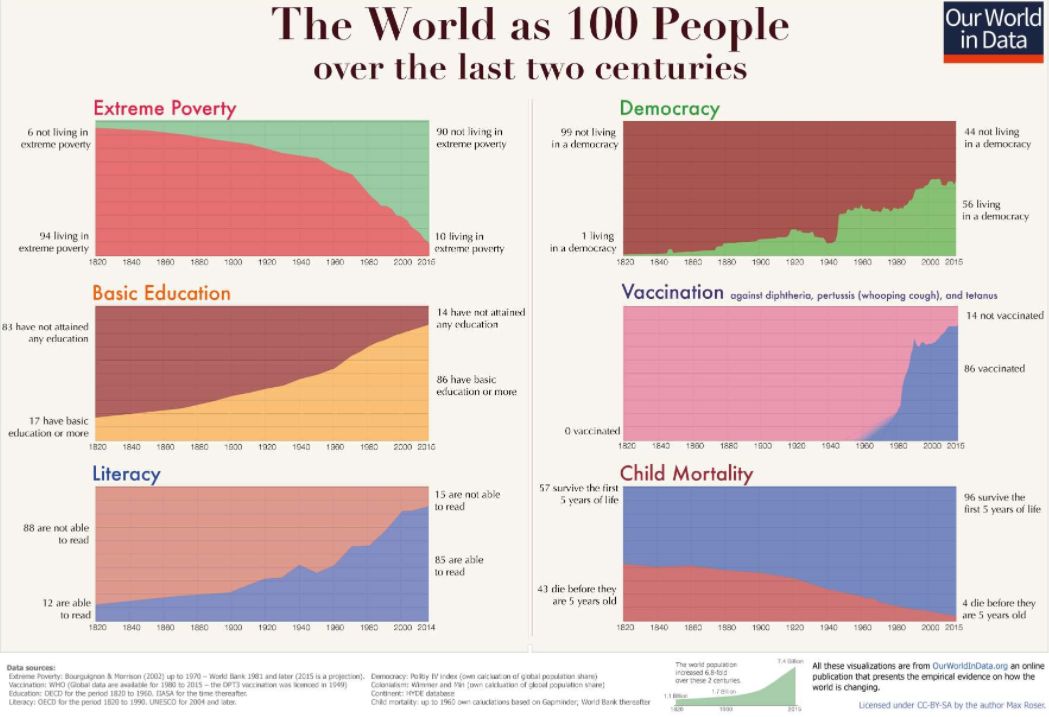
Better than it has ever been. Thanks to cultural progress, science and globalisation.
Close on agency. Our future is ours to create. We decide what technology is adopted and what is discarded. If the future scares you, help build the one that does not.